Your project will satifsy the main outcomes of this course, which are:
1. Students learn three different screenprinting processes. Students should become comfortable enough with these processes that they can work independently.
2. Students produce a small edition of prints (an edition is a set of prints that are the same).
Developing Images for Printing
The first step for your project is to develop the images that you want to use. You’ll first learn what types of images you can use to print within the limits of each process. These choices will be informed by your interests and the preferences you have for different techniques. Being open to the possibility of failing is crucial to your development – it is the only way that you will be free to learn how to make the prints you want. It is the core of experimentation.
Testing Imagery and Techniques
While you are learning and using the different screenprinting processes, you will be developing content for imagery. You will be testing images with processes and colors to learn more about how they work, and what you like. Over time, your confidence in the processes will improve and naturally your prints will become more sophisticated. This organic way of making prints will help you gain trust in your choices for image, color, and processes.
Producing a Complete Edition.
By the time you are ready to make your edition you will have learned what images types suit which processes, and made pererential choices. You are free to make prints using any of the processes – or by mixing the processes through layering. The content of the images you use will have developed over time, and you will have become quite sure about why you want to use specific images, colors and processes. The project is completed with an edition of prints.
Explore the World of ART 107 Screenprinting
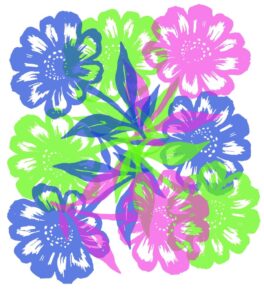
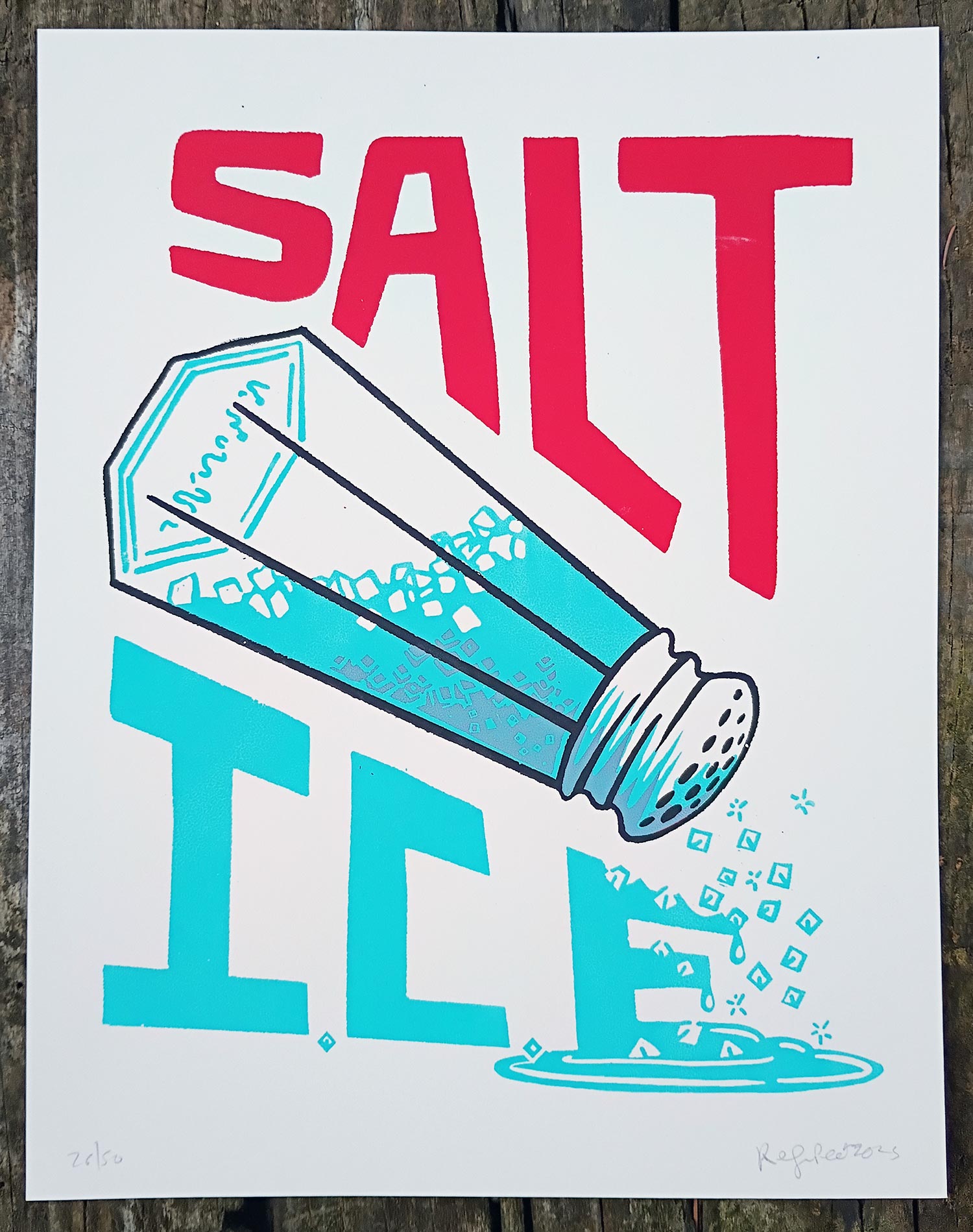
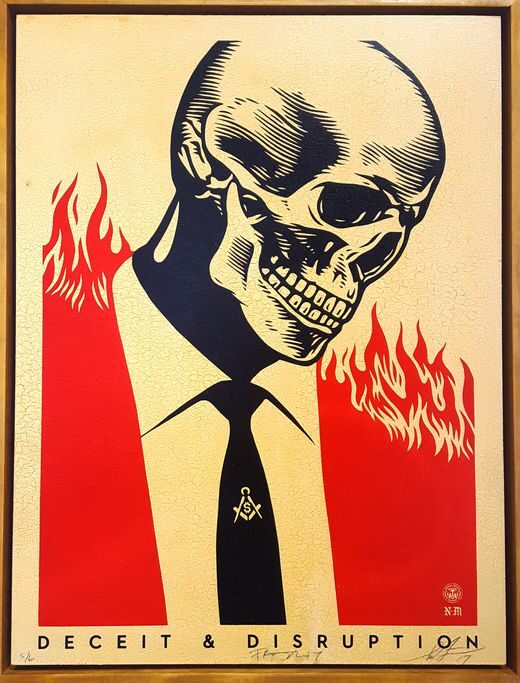
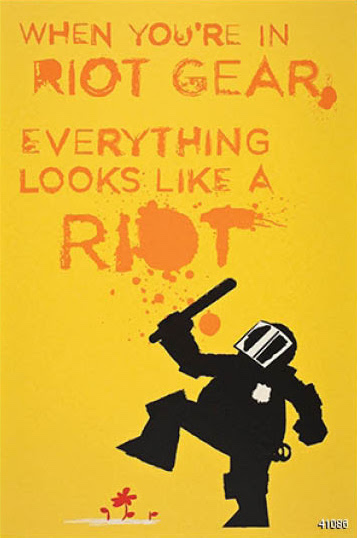
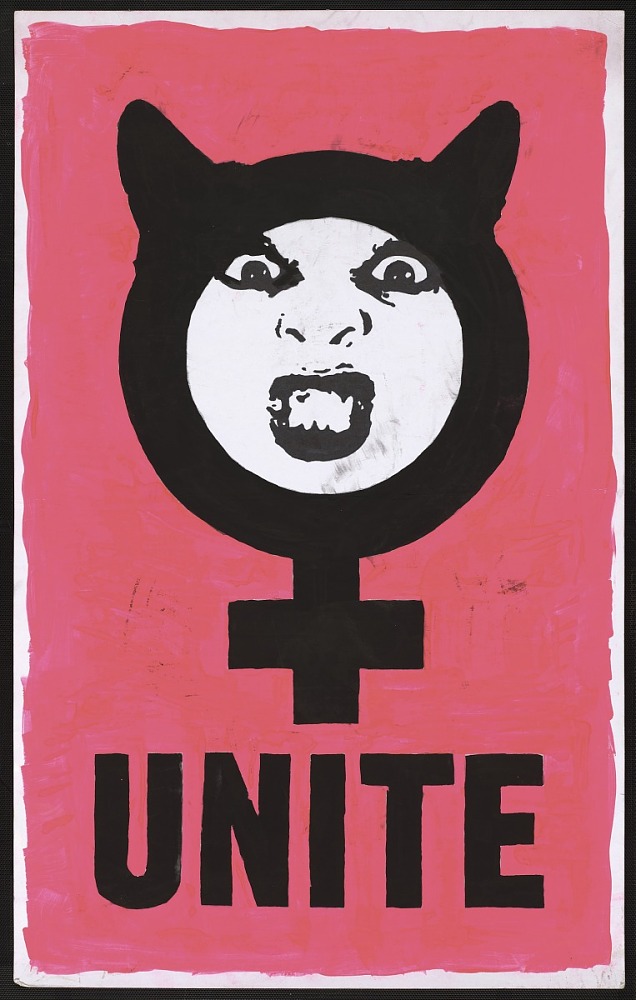
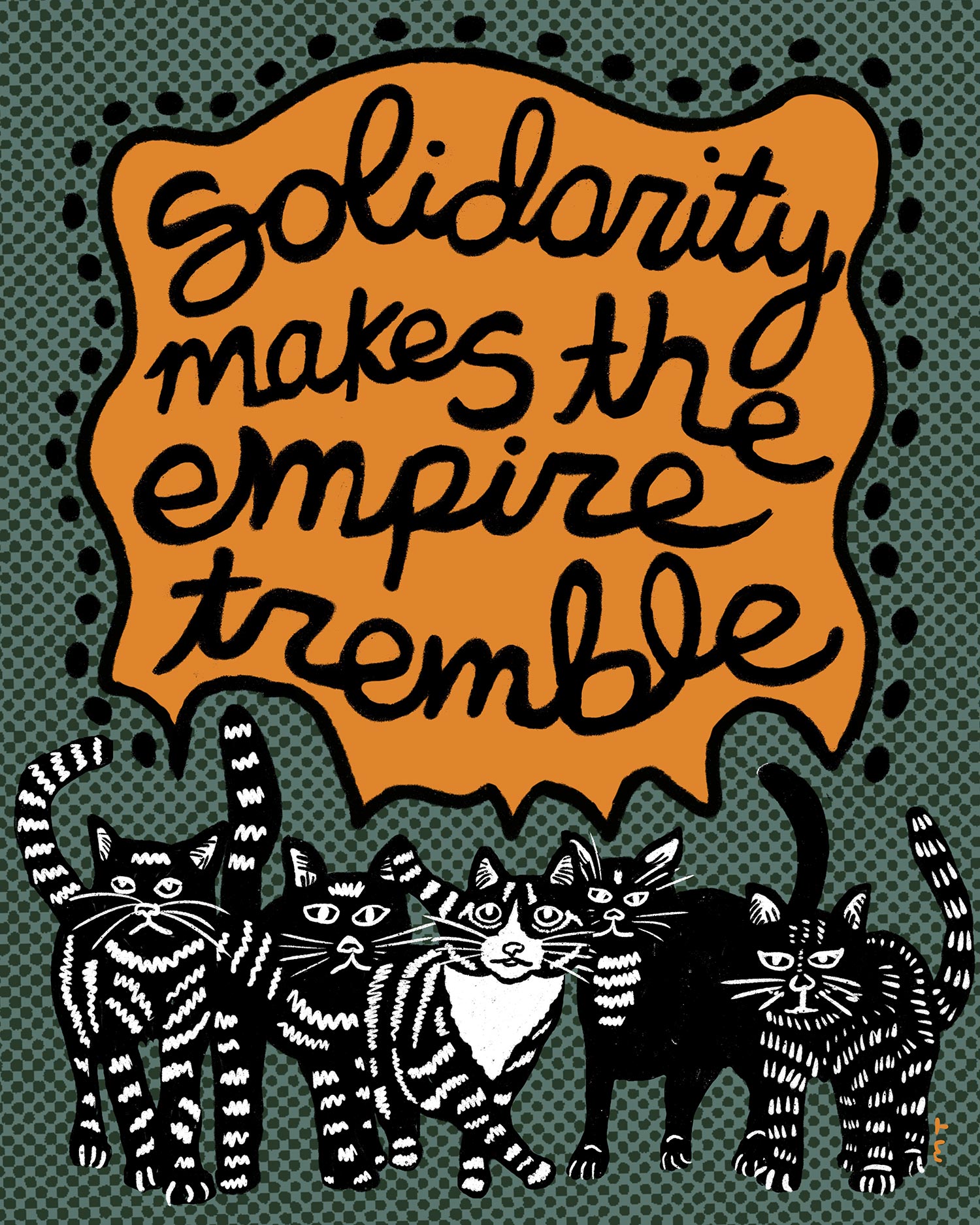
The images in the gallery gallery below are examples of screenprints being made specifically for political messaging. These images have been chosen to show you the range of styles different artists use when making their prints. We will explore a range of techniques this semester, some of which are seen below.